 MyLausanne
Jan Dismas Zelenka - Missa omnium sanctorum ZWV21
All of Lausanne in one app
Parties, concerts, exhibitions and shows, tonight and all week, with a reminder before what you don't want to miss.
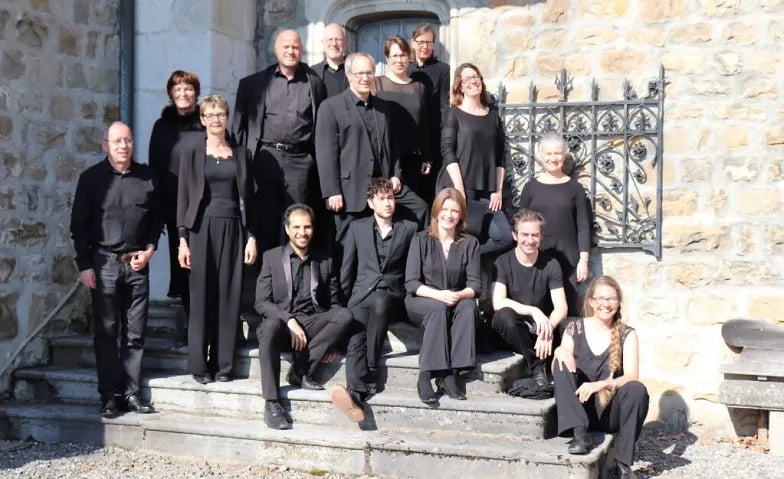
Open in the appVocal ensemble Mimesis Instrumental ensemble Fratres Fabienne Franzi and Camille Margot-Roquier, sopranos Claire Favre-Maxwell and Sarah Flores-Delacrausaz, altos Bastien Masset, tenor Adrien Zucchelli, bass Dario Alasia, direction --- In 1740, Jan Dismas Zelenka began work on… Vocal ensemble Mimesis Instrumental ensemble Fratres Fabienne Franzi and Camille Margot-Roquier, sopranos Claire Favre-Maxwell and Sarah Flores-Delacrausaz, altos Bastien Masset, tenor Adrien Zucchelli, bass Dario Alasia, direction --- In 1740, Jan Dismas Zelenka began work on his last great project, which he was never to complete: the composition of the first of six so-called "last" masses (Missae ultimae), among which was the Missa Omnium Sanctorum (ZWV 21). When Zelenka died in the night of December 22-23, 1745, only one unfinished work remained from this cycle of masses. Zelenka was undoubtedly influenced by the form of the mass as it had developed in Naples during the first half of the 18th century. His collection of sacred music also included works by Neapolitan composers such as Francesco Durante (1684-1755), Francesco Mancini (1672-1737), Domenico Sarro (1679-1744) and Alessandro Scarlatti (1660-1725). He was greatly admired by his contemporaries, as can be read in the print of the laudatory poem dedicated to him in 1740 at the chapel of the Saxon court, in which great admiration for Zelenka is expressed by declaring that he was "a highly recognized and remarkable virtuoso, and that in his sacred music one could only feel heavenly joy". The Missa Omnium Sanctorum is a typical example of the "number mass", composed in the stile misto, that is, in this case, tutti choirs are accompanied by vocally and instrumentally brilliantly conceived concertante movements, as well as energetic fugues written in the stile antico, double fugues, fugues with independent instrumental accompaniment and solo arias bearing the characteristic marks of galant style. --- Free admission. Collection (recommended price 25 francs)